Get trusted Houston auto repair: ASE A1-A9/L1-L3 certified specialists, state-registered with Texas DMV, comprehensively insured, and using factory-authorized diagnostic equipment. You can expect comprehensive pre/post scans, accurate brake measurements, complete fluid services with OEM-approved fluids, comprehensive battery/charging load tests, precision alignments, and professional road-force balancing. Rely on VIN-specific parts, OEM torque specs, professionally maintained equipment, detailed estimates, and full warranty coverage nationwide. Quality assurance features second-tech verification, comprehensive torque logs, and systematic road tests. Comprehensive inspection reports differentiate critical safety issues from non-urgent work-continue reading to learn how to spot the difference fast.
Important Points
- Our certified ASE professionals maintain qualifications A1-A9 and L1-L3, and are fully insured and Texas DMV registered, operating from clean, calibrated facilities featuring manufacturer-grade diagnostic equipment.
- Transparent, VIN-specific estimates with itemized components, work hours, torque specifications, and clear explanation between critical safety fixes and elective maintenance.
- Thorough diagnostics with complete pre/post scan documentation, plus road tests checking NVH, temperature, and load limits.
- We provide factory-approved materials and thorough service for alignment, brakes, charging systems/batteries, suspension, tires, HVAC, and emissions components, each validated with our detailed second-technician quality verification procedure.
- Comprehensive parts warranty outlining term, mileage, covered components, claim procedures and updated quotes for modifications to repair scope.
How to Select a Trustworthy Car Repair Specialist in the Houston Area
The most efficient way to evaluate a Houston mechanic is to validate certifications and service history before booking. Confirm ASE certifications, Texas DMV registration, and business insurance. Inspect shop cleanliness, calibrated equipment, and specified torque values. Evaluate written estimates for VIN details, parts sourcing, labor hours, and guarantee conditions. Compare diagnostic fees and scan-tool capabilities (OEM vs. aftermarket). Investigate online reviews for common issues: comebacks, excessive recommendations, missed deadlines. Verify neighborhood reputation by asking nearby businesses and residents about consistency, not anecdotes. Ask for sample repair orders showing parts codes, detailed pricing, and performance checks. Reach out to references and verify mileage-in/mileage-out precision. Assess communication: straightforward diagnostic reporting, root-cause analysis, and timelines. Lastly, check responsiveness-same-day reply indicates organized operations and customer accountability.
Critical Services All Quality Shops Should Deliver
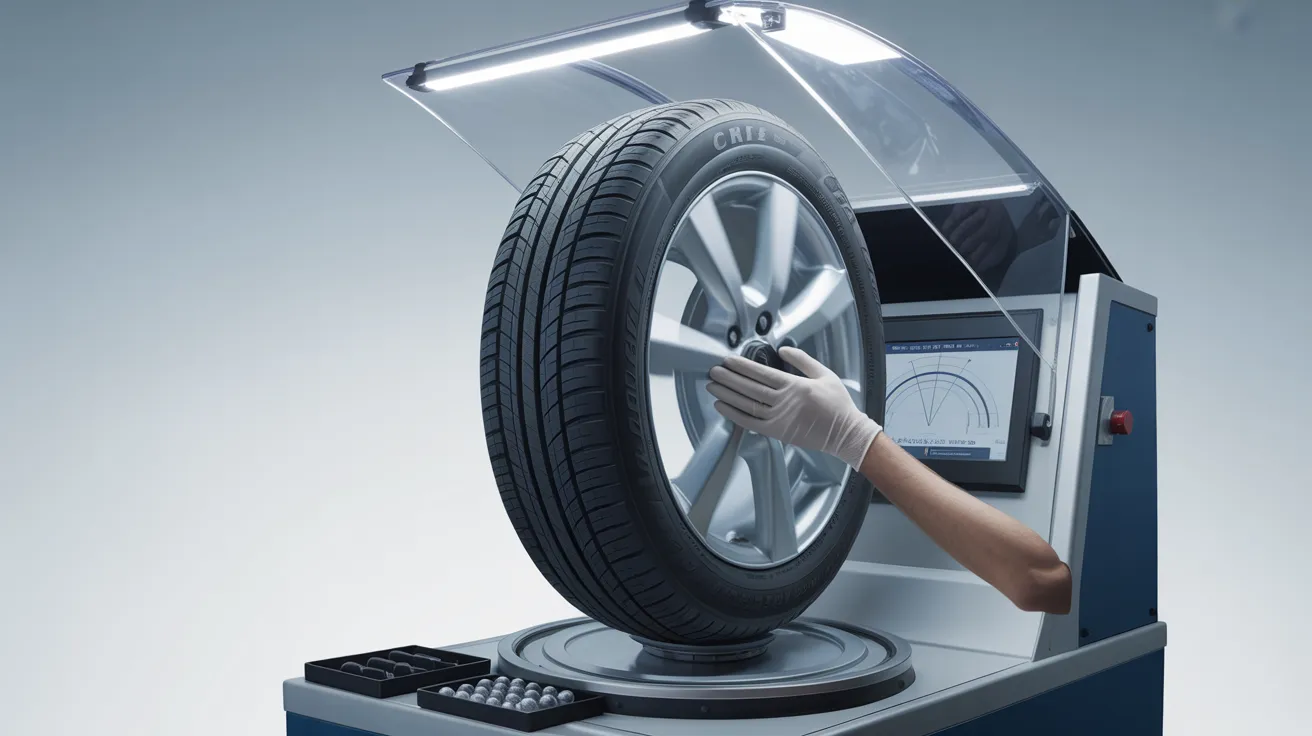
Although cost and service style matter, a dependable Houston shop proves its merit through a defined foundation of services performed to manufacturer specifications. You can count on rigorous diagnostics with manufacturer-grade scan tools, a documented maintenance schedule, and exact torque, fluid, and calibration specifications. Essential tasks include comprehensive brake assessment with pad thickness measurements, rotor runout checks, and hydraulic performance testing. Mechanics must complete fluid service using OEM-approved fluids and appropriate intervals for engine oil, engine coolant, brake fluid, transmission, and differential.
Look forward to comprehensive battery and electrical system evaluation, advanced tire balancing and service, and four-wheel alignment to factory angles. Receive suspension and steering evaluations, inspection of belts and hoses, climate control system testing, and comprehensive emissions testing. A reliable shop road-tests vehicles and read more records all measurements for traceability.
Straightforward Rates and Reliable Warranty Coverage You Can Count On
You should expect detailed, itemized quotes that outline every expense from labor and parts to supplies and diagnostic charges ahead of any service work. Insist on detailed price breakdowns so you can review individual charges and authorize only what's necessary. Confirm a parts warranty valid nationwide that details warranty coverage, distance restrictions, and claims process you can use wherever you go.
Comprehensive, Itemized Breakdowns
Avoid surprises with comprehensive breakdowns that clearly show parts, labor, shop fees, taxes, and timelines before service starts. We'll provide complete details, OEM or equivalent parts specified, labor hours by operation, and inspection costs up front.
We connect each line to a verified repair procedure so you can make accurate comparisons. You'll get repair details that distinguish required safety fixes from elective maintenance, with information on state, tolerances, and wear readings. Once approved, we translate the estimate into comprehensive invoices without hidden add-ons.
We provide detailed parts pricing based on your VIN along with torque requirements and also fixed labor durations. When situations vary, we'll provide a new estimate for your approval. You remain in control, get clear cost information, and prevent unexpected charges.
Nationwide Parts Warranty
With nationwide-backed coverage, all parts we install come with a comprehensive warranty that's honored at authorized shops across the U.S. and Canadian territories. Your coverage remains valid if you're making your daily Houston commute or embarking on a coast-to-coast journey. We specifically outline the coverage duration, mileage limits, and protected components on all billing statements, ensuring you know precisely what's covered nationwide.
Should a part malfunction within the designated period, you can initiate warranty claims directly with us or any authorized location. Provide your invoice, authorize diagnosis, and our network manages eligible replacement and labor according to program terms. There's no guesswork-certified components are sourced to OEM or top-quality aftermarket specs, and labor times follow industry-standard guides. You'll get clear next steps, minimal downtime, and proper documentation. That's reliable security you can count on, no matter where you travel.
Important Certifications and Training Requirements
While price and convenience are important factors, professional credentials and education fundamentally show if a Houston auto shop can properly troubleshoot and repair vehicles following factory guidelines. Make sure to verify ASE certifications across key areas: A1-A9 for automotive, L1 for advanced engine performance, L2 for diesel, and L3 for hybrid/electric. These qualifications prove a technician's diagnostic expertise and understanding of service information, torque requirements, and software operations.
Confirm OEM training with the brands you maintain-Ford, GM, Toyota, BMW, Honda, Stellantis, Mercedes-Benz, and other automakers. Manufacturer programs cover CAN bus diagnostics, immobilizer and key programming, ADAS calibration, network topology, and module coding using certified scan tools and software. Ask about access to OEM repair portals, calibration equipment, and continuing education intervals. With verified training, you protect warranties, reduce comebacks, and preserve vehicle value.
Rapid Service Without Quality Sacrifice
Minimize delays through structured workflow, not quick fixes. You get fast repairs as technicians follow standardized diagnostics, organized parts readiness, and defined procedures. Service staff pre-approve decision trees, so technicians progress from inspection to execution without interruptions. Original equipment scan tools, torque specs, and repair references direct each step, eliminating rework.
Quality verification runs in parallel, not as an afterthought. A secondary technical verification validates diagnostic completions, fluid specifications, and specification-matched torque settings. Vehicle-specific components validation avoids mismatches. Road testing follows predetermined routes to confirm weight specifications, temperature levels, and noise-vibration-harshness thresholds. We provide documented evidence: scan data, torque validation logs, and measurement data. This approach guarantees efficient quality control-process management that optimizes duration while securing reliability, safety, and warranty compliance.
Key Maintenance Guidelines to Prevent Costly Repairs
By treating maintenance as scheduled risk control, you keep small variances from developing into failures. Begin by following the basics: inspect fluids monthly, track wear metrics, and record service intervals. Schedule fluid flushes for coolant, transmission, brake, and power steering systems per OEM specs; deteriorated fluid speeds up corrosion, heat, and seal failure. Replace engine oil on time, not by guesswork-confirm with the maintenance monitor and operating conditions.
Check brakes every 6,000 miles; assess pad thickness and rotor runout. Do tire rotation at 5,000-6,000 miles to ensure even tread wear and preserve alignment accuracy. Check the battery during operation and clean terminals to decrease resistance. Replace cabin and engine air filters according to schedule. Monitor for fault codes regularly; address minor alerts prior to escalation.
Common Questions and Answers
Do Houston Auto Shops Provide Loaner Cars or Shuttle Services While Repairs Are Done?
Absolutely. Multiple auto service centers in Houston feature loaner vehicles or shuttle services to keep you mobile during repairs. Loaner vehicles are usually available during major services or warranty-covered repairs; access varies based on available cars, insurance requirements, and advance booking. Courtesy shuttles generally function within a defined radius and scheduled windows. Confirm eligibility, required documentation, fuel policies, mileage limits, and liability coverage. Book in advance, as peak periods and parts delays can constrain both options.
How Do I Handle Disputes With a Repair Shop in Texas?
Initiate by putting your grievance in writing-covering who, what, when, why-implementing careful precision, not a sledgehammer approach. Create a documentation record containing: pricing, permission, invoices, images, correspondence, service documentation. Establish a defined dispute timeline: ask for feedback in 10 days, then escalate. Submit a certified written notice referencing Texas Deceptive Trade Practices Act. If unresolved, submit with the Texas Department of Licensing and Regulation, your card issuer (if applicable), and small claims court. Keep components and tracking records.
Can You Find Environmentally Conscious Auto Repair Services in Houston?
Yes. You can choose shops that focus on hybrid maintenance, low‑VOC products, and energy‑efficient procedures. Check whether they use recycled fluids (engine oil, coolant, transmission fluid) certified to industry specs, and confirm closed-loop recycling. Check their usage of remanufactured parts, tire retreading, and proper battery core return. Verify they follow waste segregation, EPA-compliant disposal, and documented emissions controls. Examine their ASE/L3 credentials, equipment calibration logs, and service warranties to ensure eco‑friendly, high-performance outcomes.
What Local Towing Networks Enable Faster Service Times?
You can expect area-specific towing networks across key Houston areas to reduce arrival time. Various providers operate with Regional tow arrangements in key Houston neighborhoods, utilizing geo-fenced trucks for faster dispatch. Neighborhood partnerships leverage predetermined paths, shared radio channels, and standard rate categories to avoid surge delays. You may opt for direct transfer to preferred bays, after-hours gated access, and photo-verified handoff. Verify SLA targets (15-25 minutes), coverage radius, storage rates, and damage-liability terms before authorizing.
What About Using My Own Parts - Will Shops Accept Them?
You can provide your own parts, and numerous facilities will work with them-about 45% allow customer-supplied components. Expect strict policies: you'll assume liability for parts compatibility, fitment, and performance, and repair centers usually won't cover aftermarket warranty issues. Service warranties might be constrained or invalidated if failures trace to your parts. Provide OEM numbers, torque requirements, and material specifications. Ask for a pre-inspection and written disclaimer before authorization.
Summary
When you drive into a reliable Houston repair facility, you notice clean service bays humming, calibrated equipment running, and technical equipment mapping faults with precise accuracy. You obtain clear estimates, genuine parts, professionally trained technicians, and comprehensive warranties. Oils stay clean, components track correctly, brake systems work efficiently-because routine checks are standard practice, not afterthoughts. You leave on schedule, free of rattles, no warning indicators, just a steady idle and reliable throttle. Select that professional approach, and your car-and budget-runs cooler, further, efficiently.